Principle of Operation
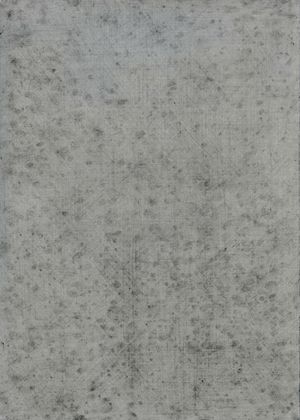
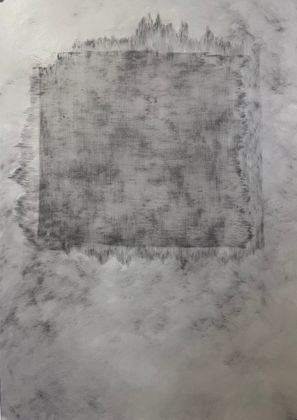
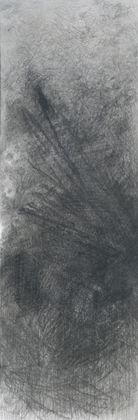
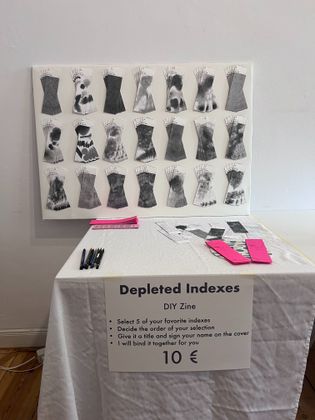
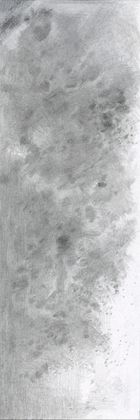
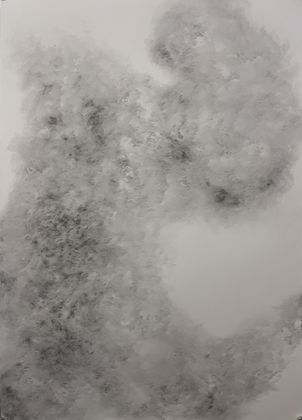
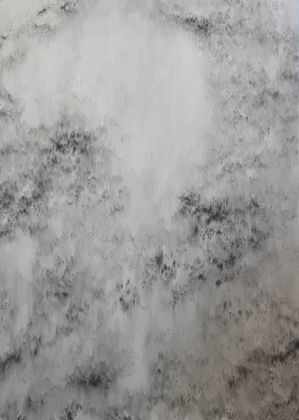
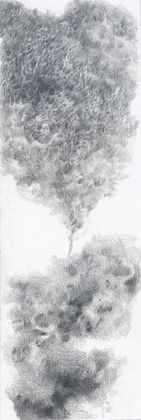
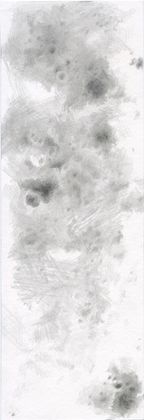
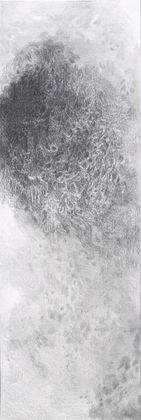
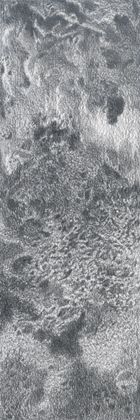
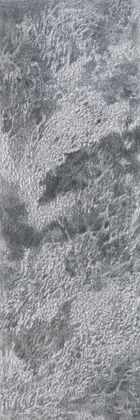
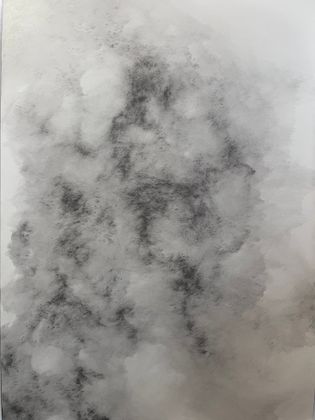
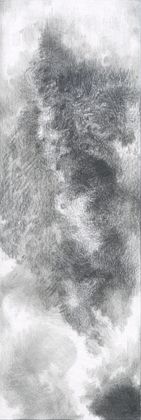
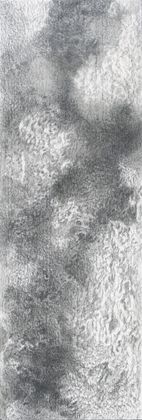
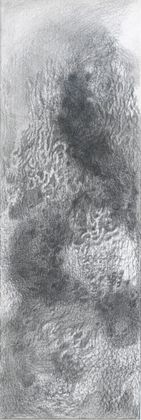
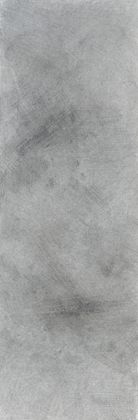
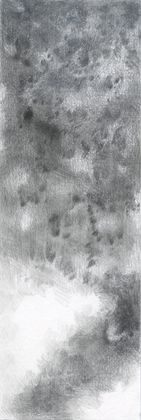
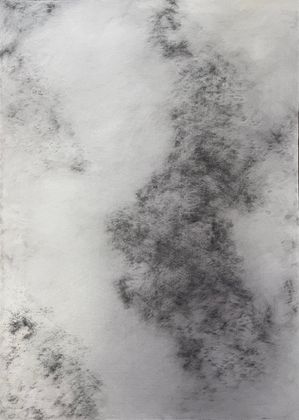
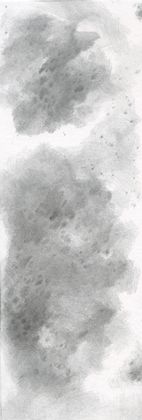
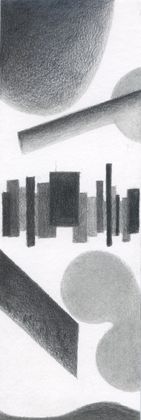
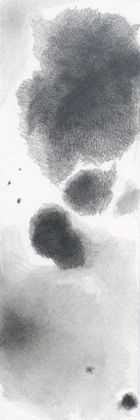
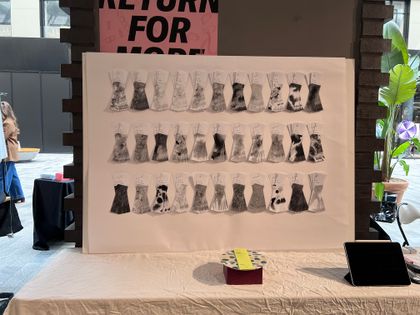
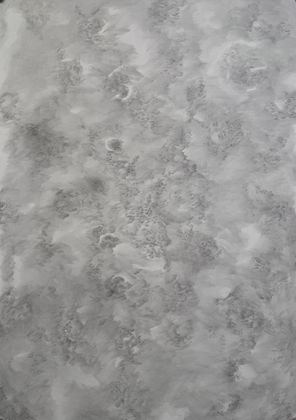
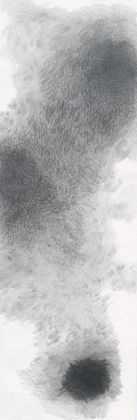
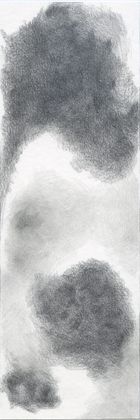
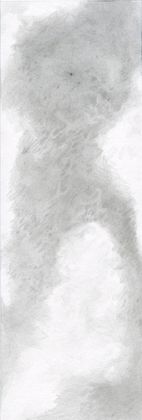
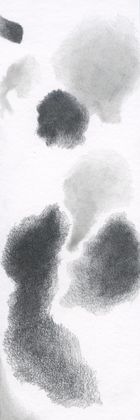
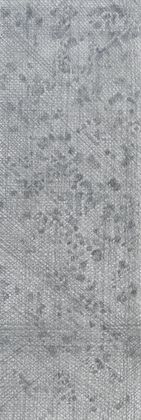
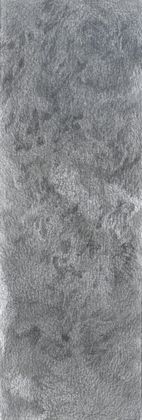
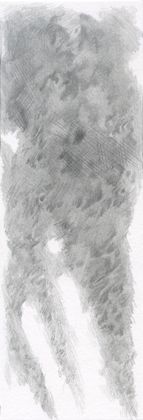
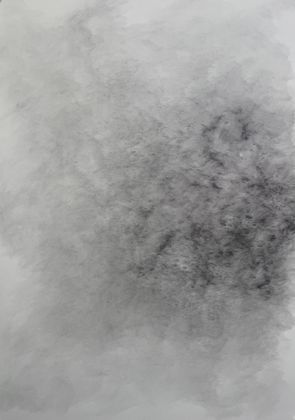
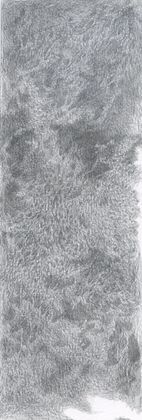
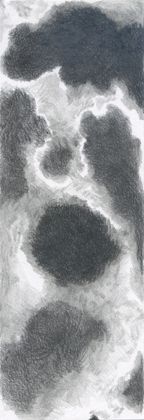
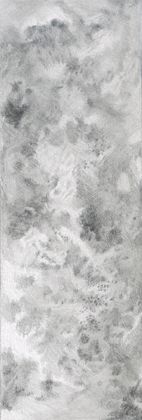
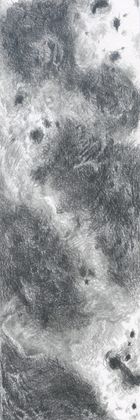
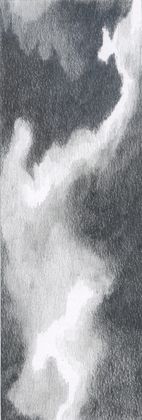
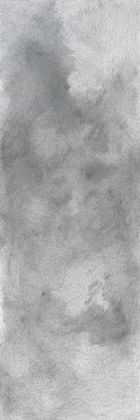
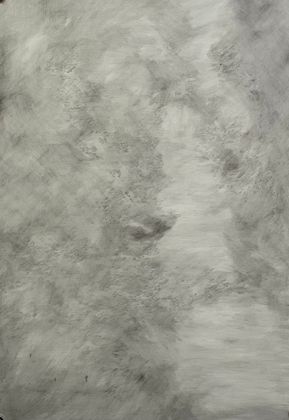
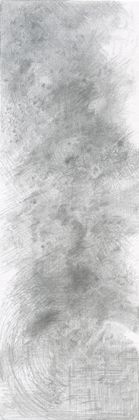
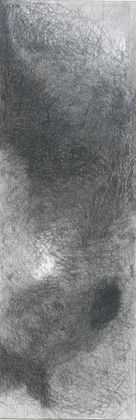
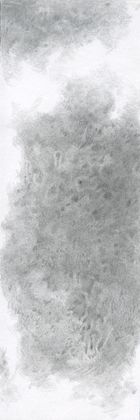
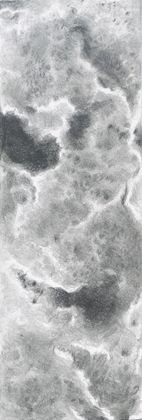
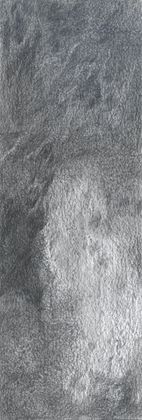
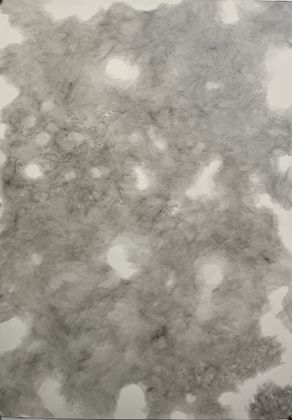
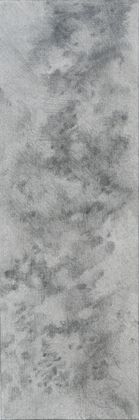
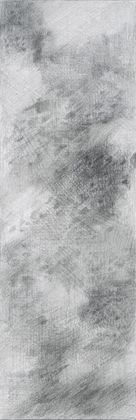
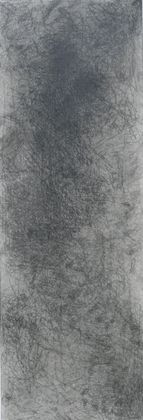
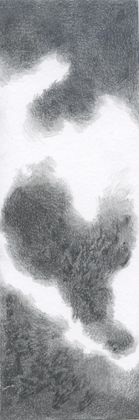
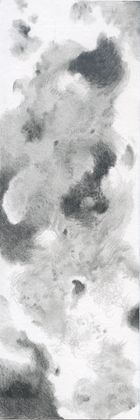
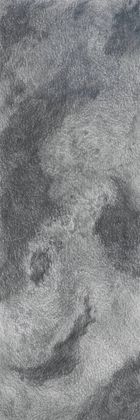
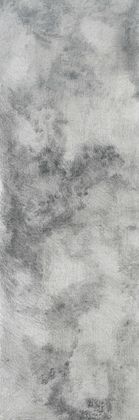
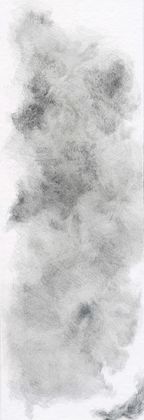
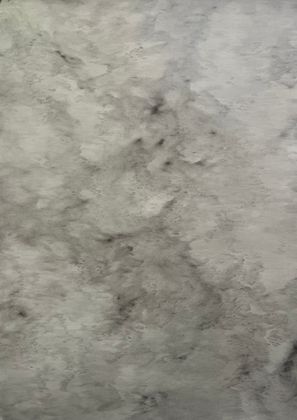
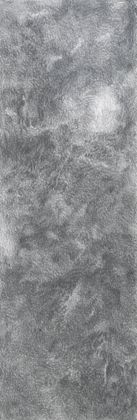
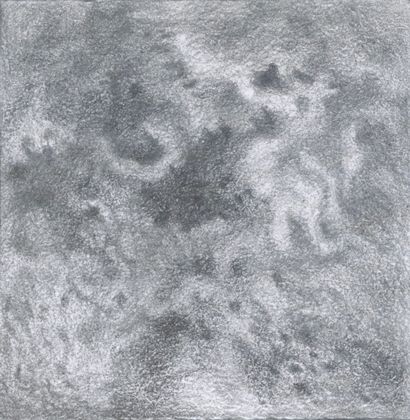
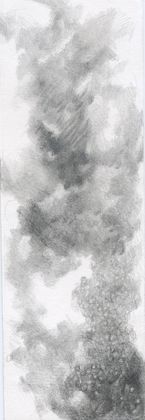
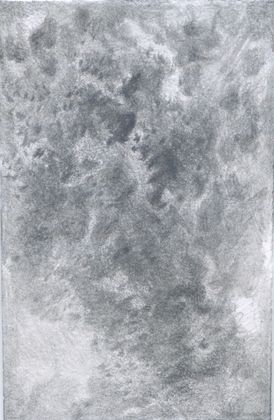
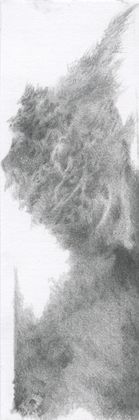
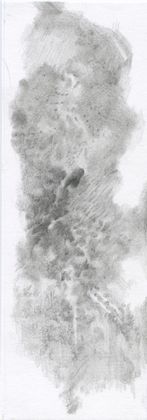
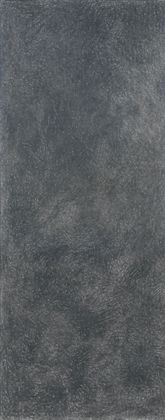
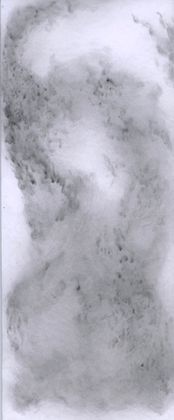
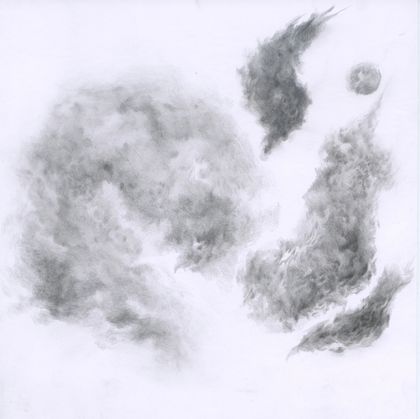
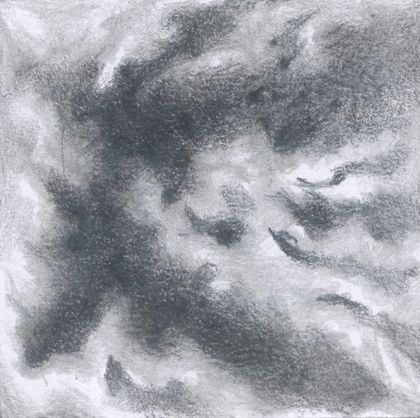
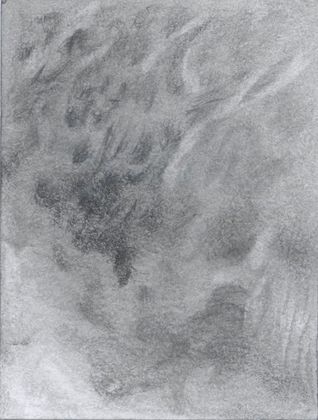
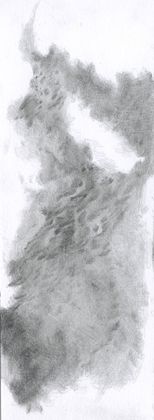
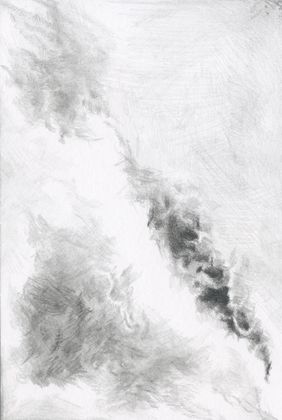
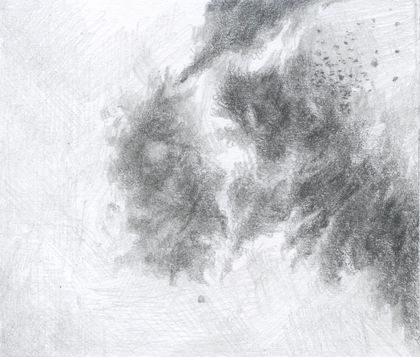
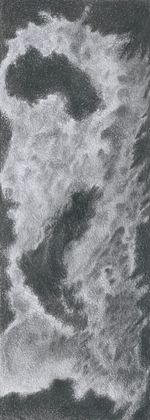
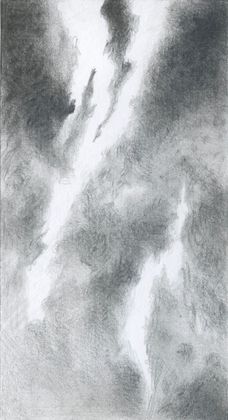
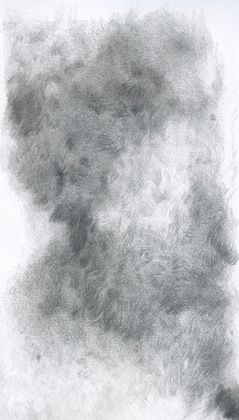
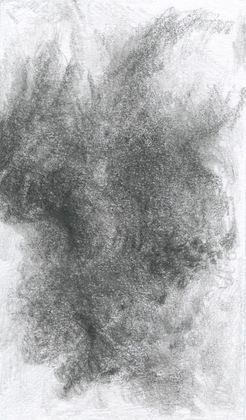
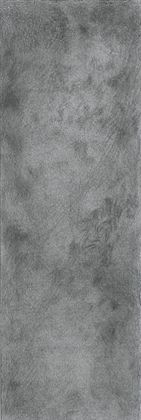
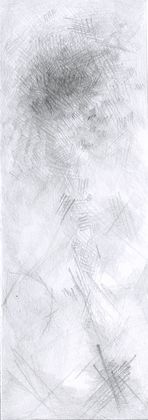
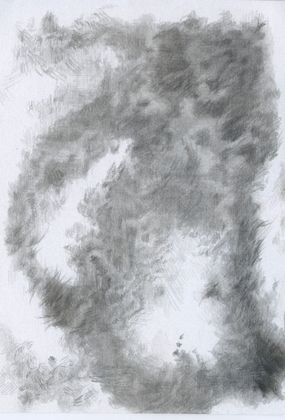
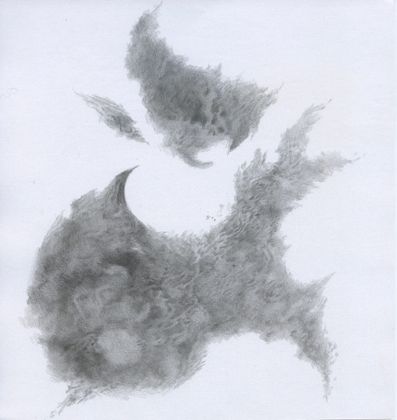
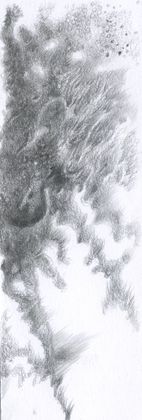
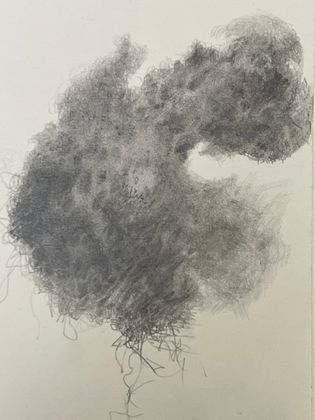
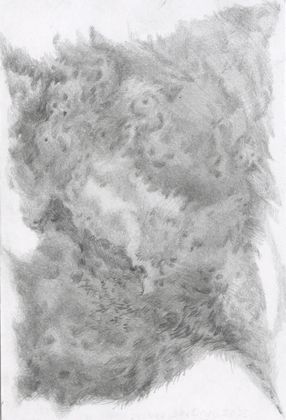
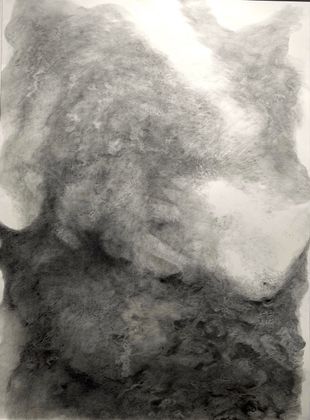
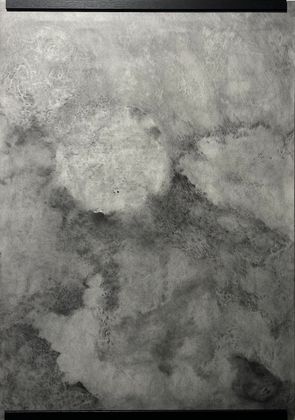
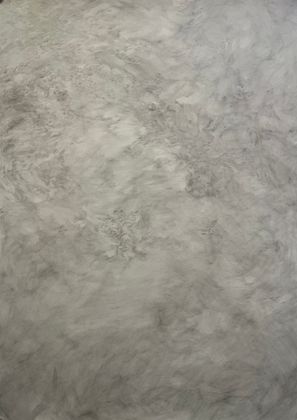
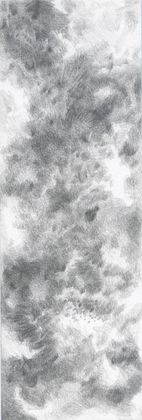
Principle of Operation is a long-term first-person artistic research project that investigates how perception is continually organized through the body’s interaction with material conditions. Rather than treating drawing as the production of images or the expression of subjective experience, the project uses drawing as an experimental apparatus for observing how one perceptual system responds to controlled sensory conditions over extended periods of time. The project is grounded in a methodological limitation. Instead of attempting to make direct claims about perception in general, it investigates the only perceptual system that can be observed continuously through time and activity: the artist’s own. This limitation is not understood as a restriction but as the condition that makes sustained observation possible. By examining one highly specific body with as much continuity and precision as possible, the project asks whether carefully documented individual experience can illuminate conditions that may extend beyond the individual case. Each phase establishes a different set of controlled material and sensory conditions. Predetermined durations, repeated procedures, and restricted variables create stable experimental structures while allowing subtle differences to emerge through bodily adaptation, environmental change, and accumulated time. The resulting drawings are not records of predetermined images but traces of ongoing perceptual negotiation between body and material. Iterative Calibration (2026) investigates prolonged contact between hard graphite and paper. Each drawing develops over approximately fifty hours using consistent materials and procedures. As graphite gradually accumulates, friction decreases and bodily attention becomes increasingly sensitive to minute irregularities within the drawing surface. Although the actions remain structurally similar, neither the body nor the material ever repeats under identical conditions. The series follows how continuous sensory feedback gradually reorganizes attention throughout the drawing process. Systematic Suppression (2027) reduces compositional decision-making through standardized sequences of mark making performed under controlled working conditions. Fixed procedures do not eliminate variation; instead, they provide a stable framework within which small bodily, temporal, and environmental differences slowly accumulate. Rather than suppressing difference, the system reveals how exact repetition continually escapes itself. Within this phase, Asynchronous Calibration introduces a deliberate temporal displacement between sensory modalities. During each six-hour drawing session, the complete sound of graphite friction is recorded. On the following day, that recording becomes the sole auditory environment while a new drawing is produced using noise-cancelling headphones. Touch and vision remain synchronized with the present drawing, while hearing belongs to the previous day’s activity. Each drawing therefore becomes both the outcome of its own conditions and part of the sensory environment for the one that follows. The project examines how sustained temporal displacement reorganizes attention, bodily calibration, and variation within an otherwise fixed procedure. Deferred Accumulation (2028) extends these investigations through the manipulation of memory and visibility. A continuous drawing develops across an 800 × 150 cm paper roll, with only a small section worked on each day before being immediately concealed. Because previously completed sections remain inaccessible throughout production, revision through visual overview becomes impossible. Continuity is instead maintained through bodily memory and sensory residue carried from one working session to the next. Dialogue Exchange (2029) expands the research beyond a single perceptual system. Participants listen to recorded graphite sounds produced during the making of specific drawings while wearing noise-cancelling headphones and create responsive drawings of their own. The work investigates how sensory information is translated between different bodies without assuming that identical experiences can be reproduced. Rather than comparing outcomes, the project follows how perception reorganizes through correspondence, repetition, and response across distinct perceptual systems. Running throughout the project, records of senses_Index functions as an ongoing auxiliary register. Produced through recurring drawing sessions under comparable conditions, these works document gradual shifts in bodily attention, sensory response, and working rhythm across extended periods of time. They provide a parallel record of perceptual variability while the larger project develops through its successive experimental phases. Across all five components, Principle of Operation does not seek to establish universal principles of perception. Instead, it constructs a series of carefully controlled situations in which one body’s perceptual organization can be observed over time. The project asks how sustained engagement with one highly specific case might reveal broader questions about how bodies continually sense, adapt, and organize their relationship with the world.
98 works